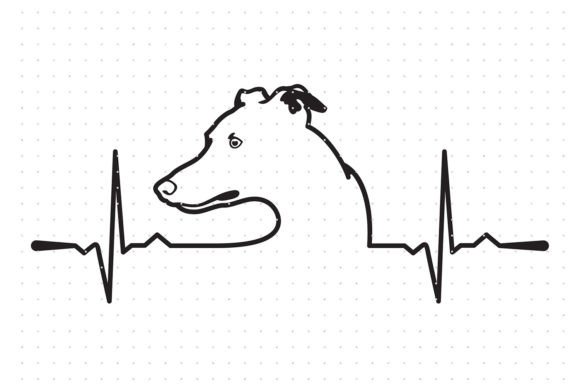
Whippet Dog Heartbeat SVG
A Designer’s First Look: Clean, Tender, and Purposefully Minimal
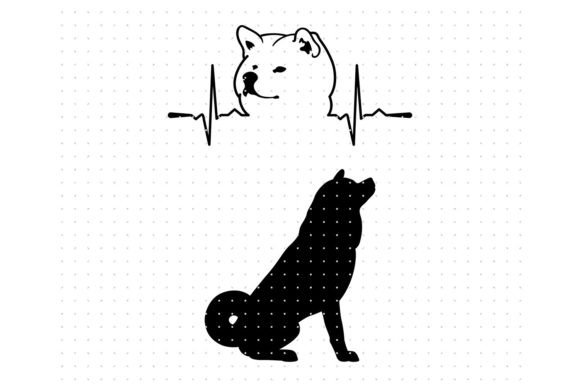
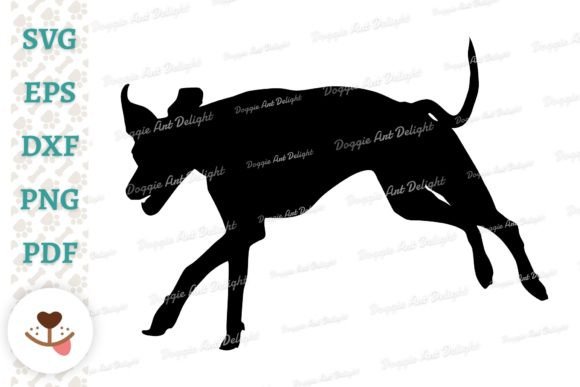
When I opened Whippet Dog Heartbeat SVG, what struck me first wasn’t technical precision—it was emotional resonance. The silhouette of a whippet in profile, paired with a subtle heartbeat line tracing its chest, lands softly but unmistakably. It’s not fussy. No exaggerated ears or cartoonish eyes—just elegant negative space, confident curves, and quiet reverence for the breed’s grace. As a designer who’s stitched hundreds of pet-themed pieces for Etsy sellers and boutique clients, I immediately saw where this would shine: on a linen tea towel for a dog-loving kitchen, a baby onesie for a whippet-owning parent, or a small embroidered patch sewn onto a denim jacket. Its visual personality is calm, thoughtful, and handmade—not mass-produced.
How It Translates to Real Embroidery Projects
I tested Whippet Dog Heartbeat SVG as a machine embroidery design on three common substrates: midweight cotton twill (for tote bags), French terry (for sweatshirts), and 100% cotton jersey (for baby bodysuits). On twill, the clean outline held beautifully with satin stitch borders and light fill stitch in the heart area—no bleeding, no distortion. On French terry, I used medium-weight cutaway stabilizer, and the design retained crispness without oversaturation. The heartbeat line stayed legible even at 3.2 inches wide—the size I’d recommend for most custom apparel. For baby items, I resized it down to 2.5 inches and switched to a running stitch outline + minimal fill; it read clearly and felt delicate, not fragile.
This isn’t a design that shouts. It whispers—and that’s its strength. As an embroidery file, it works best when the product itself carries intention: a personalized gift, a quiet nod to pet loss, a nursery accent, or a small-shop signature piece. I’ve seen too many “cute dog” designs drown in busy backgrounds or overworked details. Whippet Dog Heartbeat SVG avoids that trap entirely. Its simplicity gives it longevity—no trend fatigue, no dated fonts or clipart clutter.
Where to Use It Thoughtfully—And Where to Pause
Like any well-intended design, Whippet Dog Heartbeat SVG has natural boundaries. It performs poorly on highly textured fabrics (like bouclé or heavy terry) without extra stabilizing—and even then, the heartbeat line can blur if stitch density isn’t adjusted. On stretchy knits, especially curved surfaces like caps or cuffs, I’d avoid it unless digitized specifically for those applications (which this base SVG file isn’t). It also doesn’t scale well below 2 inches: the curve of the whippet’s neck and the taper of the heartbeat line begin to lose definition, risking a “blobby” finished product.
Dark fabric demands attention too. I ran a black-on-charcoal test and found the heartbeat line nearly disappeared without a subtle underlay or contrasting thread color—so if you’re planning sweatshirt embroidery or tote bag design for darker backgrounds, plan your thread colors early. And while it’s lovely on flat surfaces (pillow covers, aprons, tea towels), skip tight-radius areas like gussets or deep pockets unless you’re willing to split and reposition the design manually.
What It Adds to Your Craft Business—and What It Doesn’t Promise
For Etsy sellers and small shop owners, Whippet Dog Heartbeat SVG is a quietly powerful asset. It elevates perceived value without requiring premium pricing—customers recognize care in restraint. A customer once told me, “I bought your whippet pillow because it didn’t look like every other dog pillow on Instagram.” That’s the effect this design cultivates: authenticity, not algorithm bait.
It builds trust—not through flash, but through consistency. When used across a cohesive line (e.g., matching baby embroidery + nursery wall art + holiday ornament), it becomes part of a brand language. But let’s be clear: it won’t carry a full collection alone. It’s a hero accent, not a system. Pair it thoughtfully—with neutral thread palettes, quality stabilizers, and intentional product pairings—and it strengthens handmade presentation. Skip those steps, and even the best embroidery file feels generic.
Practical Notes Every Embroidery Designer Should Run Through
- Always test on scrap fabric first—especially if using it for commercial embroidery or client work.
- Check thread color contrast before stitching on dark or busy textiles. A soft gray or heather thread often reads better than stark white.
- Review stitch density: too dense = puckering on lightweight fabrics; too sparse = lost definition on textured surfaces.
- Confirm hoop size compatibility. This design fits comfortably in a 4x4 hoop at standard sizes—but verify before digitizing or resizing.
- Inspect small details in your embroidery software: the tip of the heartbeat line, the curve between ear and neck, the negative space inside the whippet’s silhouette.
- Test it in black-and-white mockups to gauge visual weight and clarity before committing to color.
- Compare light and dark fabric backgrounds side-by-side—you’ll spot contrast issues faster.
- Use proper stabilizer: cutaway for knits, tear-away for stable wovens, and optional topping for napped fabrics.
- Confirm licensing terms before selling finished items or bundling the file with other digital products. Since it’s listed as a Graphics download in the Crafts category, clarify whether commercial use is permitted for your specific business model.
Final Thought: A Design That Earns Its Place
Whippet Dog Heartbeat SVG won’t win awards for complexity—but it earns its place in real projects because it serves a purpose without demanding attention. It’s the kind of embroidery file that makes customers pause, smile, and say, “That’s *exactly* how I feel about my dog.” Whether you’re stitching a holiday gift, prepping a craft fair batch, or building a signature line for your handmade product shop, this design rewards intention. Use it with care, pair it with quality execution, and it becomes more than clipart—it becomes connection.