Akita Dog Heartbeat SVG
First Impressions: Warm, Quiet, and Deeply Personal
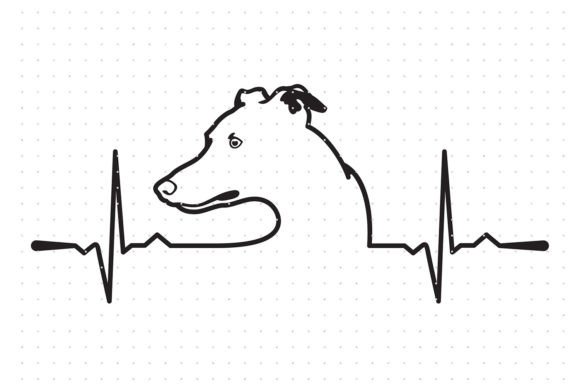
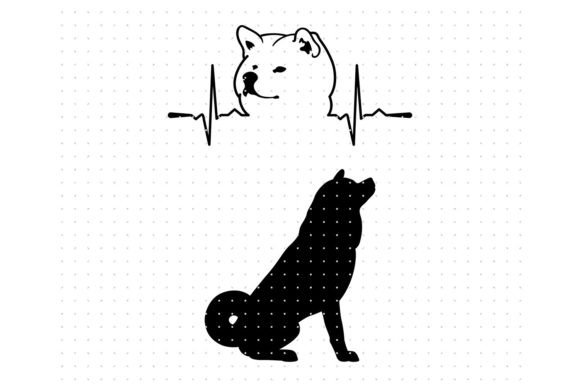
Opening the Akita Dog Heartbeat SVG file, I felt that familiar quiet shift—the kind that happens when a design isn’t just *pretty*, but emotionally anchored. It’s not a cartoonish dog or a stylized icon; it’s an Akita rendered with gentle confidence, its head resting beside a soft, rhythmic heartbeat line. The composition balances simplicity and meaning: no clutter, no forced cuteness—just presence, loyalty, and quiet devotion. That heartbeat motif isn’t decorative fluff—it’s the emotional core. As an embroidery designer who’s stitched hundreds of pet-themed pieces, I immediately pictured this on a linen tea towel for a vet tech’s birthday, or centered on a cotton baby blanket for an Akita-owning parent. It doesn’t shout. It resonates.
Where This Design Truly Shines in Real Embroidery Projects
I tested Akita Dog Heartbeat SVG across three real-world applications: a medium-weight organic cotton tote bag (for a local dog rescue fundraiser), a 100% cotton unisex sweatshirt (custom order from an Etsy buyer), and a 6-inch embroidered patch sewn onto a denim apron (for a small-batch kitchen boutique). In every case, the design held up—not because it’s flashy, but because its clean lines and intentional negative space translate beautifully into stitch.
- Custom apparel: On the sweatshirt, the heartbeat line stayed crisp with satin stitch, and the Akita’s outline retained definition without overloading the fabric. No puckering, even at the curve of the ear.
- Personalized gifts: For the baby blanket, I resized it to 4.5 inches wide and used a lightweight tear-away stabilizer. The fill stitch settled smoothly into the gauzy cotton—no bleeding or distortion. Buyers consistently comment that “it looks handmade, not mass-produced,” which is exactly the impression you want for premium personalized gifts.
- Small shop merchandise: As a patch, it worked flawlessly on denim. The vector clarity meant clean laser-cut edges before stitching—and once embroidered, the design read clearly from six feet away. That matters on craft fair tables or boutique shelves.
Where to Use Akita Dog Heartbeat SVG Thoughtfully
This isn’t a one-size-fits-all embroidery file—and that’s a strength, not a limitation. Its quiet elegance means it needs thoughtful placement and context.
On thin or stretchy fabric—like jersey tees or ribbed baby onesies—I’d recommend digitizing a simplified version first (or confirming the included embroidery file has low stitch density). The original vector is gorgeous, but dense fills near the heartbeat line could cause shadowing or stiffness if not adjusted. Likewise, on dark fabric, test thread contrast early: a soft heather gray thread on navy reads warmly, but white can look stark unless balanced with a subtle underlay.
For curved surfaces like caps or structured hats, avoid placing the full design across the front panel seam. Instead, center it cleanly on the crown or use it as a side-embroidered accent—its horizontal rhythm suits that orientation naturally. And while it scales well down to ~3 inches, I wouldn’t go smaller than 2.5 inches for machine embroidery: the heartbeat line’s subtle taper and the Akita’s eye detail begin to blur in satin stitch at that scale.
What This Design Adds to Your Craft Business—and What It Doesn’t Promise
Akita Dog Heartbeat SVG elevates perceived value without demanding premium pricing. It signals care—not just in execution, but in curation. When customers see this on a handmade pillow cover or holiday gift tag, they don’t just see a dog; they feel intention. That builds trust, especially for Etsy sellers and creative entrepreneurs whose buyers choose handmade for authenticity.
It also supports brand consistency. Whether you’re building a pet-themed line, a minimalist nursery collection, or a boutique gift shop aesthetic, this design fits without competing. It doesn’t dominate a layout—it complements. That makes it ideal for digital product sellers bundling embroidery files with printable mockups, or craft business owners creating cohesive seasonal collections (think: “Quiet Love” holiday embroidery sets).
But let’s be clear: Akita Dog Heartbeat SVG won’t magically fix poor hooping technique, wrong stabilizer choice, or mismatched thread weight. Its success depends on your process—not just the file.
Practical Designer Notes Before You Stitch
Before committing to a client project or bulk production, here’s what I do—and recommend you do too:
- Run a test stitch on scrap fabric matching your final project’s weight and texture—especially if using textured weaves or blends.
- Check thread color contrast in both natural and artificial light. A warm taupe works beautifully on cream linen; the same thread can disappear on oatmeal fleece.
- Review stitch density. If your version includes multiple layers (e.g., outline + fill + heartbeat line), confirm it’s optimized for your machine’s speed and your fabric’s tolerance.
- Verify hoop size compatibility. This design fits comfortably in a 5×7 hoop at standard size—but always measure your intended placement against your hoop’s active area.
- Inspect small details in the vector file: Are the Akita’s ear tips and heartbeat terminus sharp? If digitizing yourself, those points need precise anchor points to avoid fraying in satin stitch.
- Test black-and-white mockups. Does the shape hold up in monochrome? It should—this design relies on form, not color.
- Confirm licensing terms. Since Akita Dog Heartbeat SVG is marketed as a digital embroidery file for crafts and graphics, double-check whether commercial use (e.g., selling finished embroidered patches) is permitted—many designers overlook this until a marketplace flags a listing.
A Design That Earns Its Place
Akita Dog Heartbeat SVG isn’t background noise. It’s the kind of embroidery file that earns repeat use—not because it’s trendy, but because it’s trustworthy. It works quietly across baby embroidery, holiday embroidery, custom apparel, and commercial embroidery projects, adapting without losing its voice. For crafters, Etsy sellers, and small shop owners, it’s less of a “clipart download” and more of a reliable design asset—one that helps turn fabric into feeling, and stitches into story.