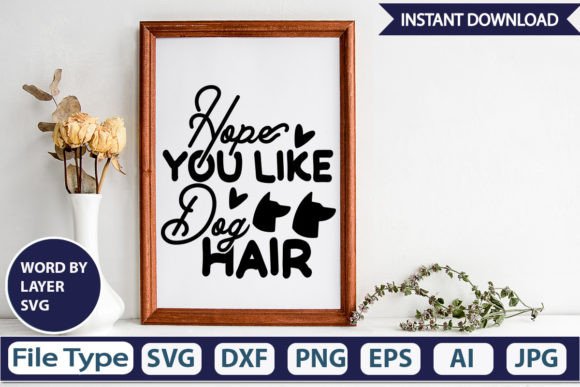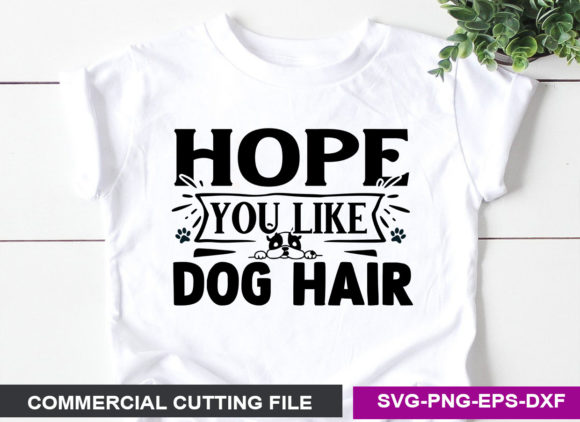
Hope You Like Dog Hair
A Designer’s Take on the Embroidery File
As a designer who has stitched countless projects from custom apparel to boutique branding, I approach each embroidery file with the same level of scrutiny I’d apply to a client’s logo or a handmade gift. The Hope You Like Dog Hair SVG is no exception. Before diving into its practical use, I want to share my observations and insights based on real-world application.
The First Impression
The first thing that catches my eye is the visual personality of Hope You Like Dog Hair. It’s a playful, whimsical design that immediately evokes a sense of humor and charm. The theme is lighthearted, which makes it a great fit for casual wear, personalized gifts, and even craft fair products. The layout is clean, with enough detail to feel intentional without being overwhelming. This balance between simplicity and character is what sets it apart in the crowded world of digital embroidery files.
I’m also impressed by how well the design handles texture and detail. The hair strands are rendered with a subtle gradient that adds depth, while the overall shape maintains a rounded, friendly silhouette. This kind of attention to visual nuance is crucial for a design that will be used in both personal and commercial contexts.
Real-Life Use Case: Custom Tote Bag Design
To test the practicality of Hope You Like Dog Hair, I imagine using it on a custom tote bag. A tote bag is a common canvas for embroidery, often used as a promotional item or a personalized gift. The design fits well on a large surface, allowing for a balanced composition. However, I would consider the placement carefully—positioning it near the center or one side to avoid overcrowding the bag.
When considering fabric choice, I’d recommend using a light-colored, non-stretchy fabric for optimal visibility. Darker fabrics may require more contrast in thread colors, which could affect the overall appeal. Also, the design’s playful nature suggests it would work best on items like sweatshirts, caps, and baby clothes, where a touch of humor can make a big impact.
Performance in Real Embroidery Situations
Hope You Like Dog Hair performs well in most embroidery scenarios, but there are some considerations to keep in mind. For instance, when working with small hoop sizes, the design might appear cramped, especially if you’re aiming for a full-scale reproduction. Similarly, on textured or stretchy fabrics, the stitch density might not render as cleanly, leading to potential distortion or uneven coverage.
Another key factor is stitch density. The design uses a mix of satin stitch and running stitch, which gives it a soft, handcrafted look. While this is ideal for a handmade product or personalized gift, it might not be suitable for commercial embroidery where consistency and precision are paramount. In such cases, a higher stitch density or alternative stitching method might be necessary.
Additionally, the design’s detail level means it should be used with care on curved surfaces like hats or caps. These areas can cause stitches to stretch or distort, particularly around the edges. A proper stabilizer is essential to maintain the integrity of the design during the embroidery process.
Design Impact on Visual Appeal and Product Value
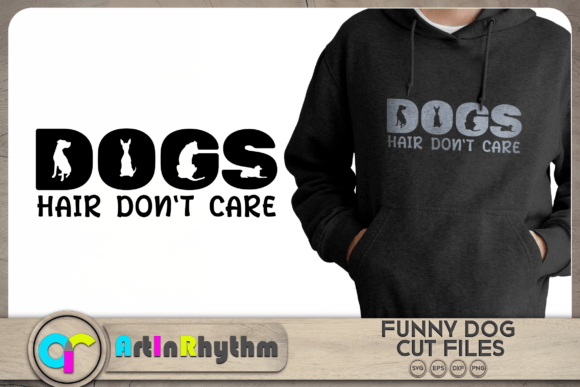
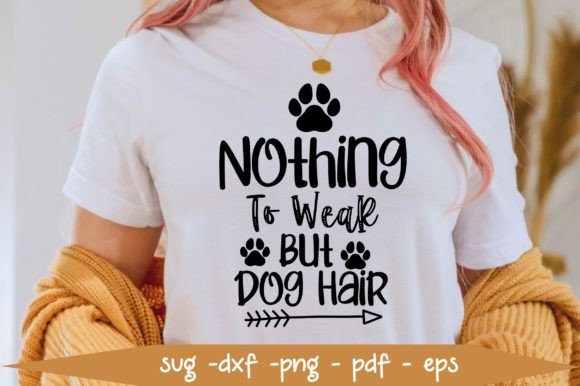
The visual appeal of Hope You Like Dog Hair is undeniable. Its playful tone and clever concept make it highly engaging, especially for younger audiences or those looking for a fun twist on traditional embroidery. When applied to a custom apparel project, it can elevate the product’s appeal and increase buyer engagement.
From a product value standpoint, the design offers versatility. It can be used across multiple formats, including SVG, EPS, DXF, and PNG, making it adaptable for various applications such as digital mockups, printable previews, and Etsy listings. This flexibility is a major plus for craft business owners and small shop product creators.
Considerations for Careful Use
While Hope You Like Dog Hair is a versatile design, it’s not without its limitations. For example, it may not perform well on dark fabric unless paired with high-contrast thread colors. Similarly, the tiny lettering and decorative accents could be lost on thin or delicate materials. It’s also important to note that the design’s dense stitch areas might not hold up well after frequent washing, which is a concern for holiday gifts or nursery decor.
For commercial embroidery or branding projects, it’s crucial to test the design on scrap fabric first. Checking thread color contrast and stitch density before committing to a final product can save time and resources. Additionally, confirming license terms is vital if you plan to sell finished items or digital products.
Practical Designer Notes
As an experienced designer, I always recommend testing designs on scrap fabric before applying them to a final product. This helps identify any potential issues with stitch clarity, fabric texture, or thread contrast. For printable mockups, I suggest comparing the design on both light and dark backgrounds to ensure it remains visually appealing in all contexts.
When working with digital embroidery files, always check the hoop size and machine compatibility to avoid unexpected issues. If you’re planning to sell the design, confirm the licensing terms to ensure compliance with any usage restrictions.
Final Thoughts
Hope You Like Dog Hair is a fun, versatile design that offers a unique blend of humor and craftsmanship. It’s ideal for personalized gifts, custom apparel, and small shop merchandise, but it requires careful consideration when used in commercial embroidery or on challenging fabrics. With the right preparation and attention to detail, this design can become a valuable asset for any craft business or creative entrepreneur.