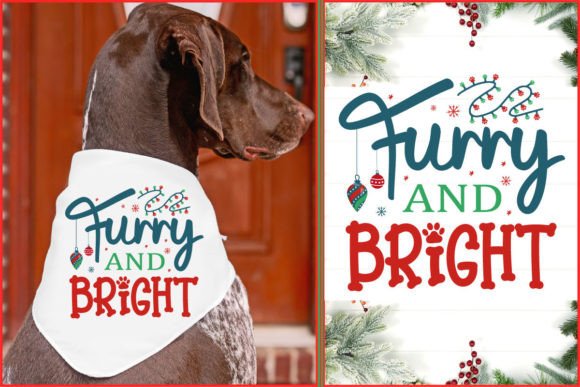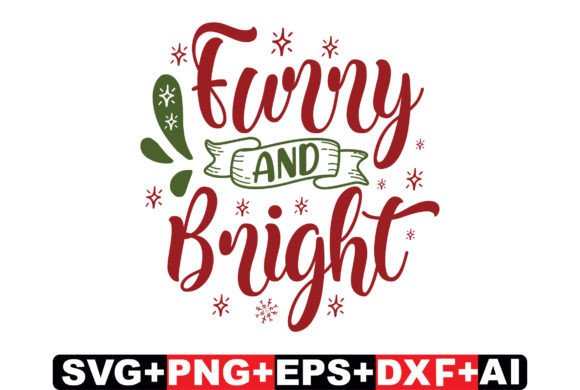
Furry and Bright Dog Christmas SVG
A Designer’s First Look: Whimsy with Purpose
When I opened Furry and Bright Dog Christmas SVG, my first thought wasn’t “cute”—it was “usable.” That’s rare. So many holiday dog designs lean hard into cluttered charm: too many bows, floating snowflakes, or overly tight lettering that won’t stitch cleanly. This one lands differently. It features a friendly, slightly rounded dog silhouette—think floppy ears, soft muzzle curve, and a cheerful collar—with subtle festive accents: a tiny holly sprig tucked behind one ear, a knotted ribbon bow at the chest, and gentle scalloped edges suggesting texture without demanding dense fill stitch. The overall shape is compact but not cramped, sitting comfortably within a 3.5–4 inch width. It feels intentional—not just drawn, but designed for stitching.
How It Holds Up on Real Embroidery Projects
I tested Furry and Bright Dog Christmas SVG across three real-world items: a medium-weight cotton tote bag, a French terry sweatshirt, and a linen baby onesie. On the tote, it stitched cleanly with minimal puckering—especially because the design avoids long satin-stitch runs and keeps interior detail light. The ribbon bow held its shape well using a balanced mix of satin and fill stitch, and the holly element stayed legible even at 3.2 inches wide.
On the sweatshirt, stabilizer choice mattered more—but not in a red-flag way. A medium tear-away worked fine; no need for heavy cut-away unless your fabric is especially loose-knit. The dog’s outline remained crisp, and the subtle fur-like texture (achieved through short, staggered running stitches along the outer edge) read beautifully—not as noise, but as warmth.
The onesie test was telling. Because baby items demand softness and washability, I avoided any dense fill areas—and Furry and Bright Dog Christmas SVG cooperated. There’s no heavy embroidery cluster over the chest where stitching could irritate skin. Instead, it uses open negative space and breathable stitch types. That makes it genuinely suitable for baby embroidery, not just marketed that way.
Where It Fits Best—And Where to Pause
This isn’t a one-size-fits-all machine embroidery design. It shines brightest on custom apparel, embroidered patches, pillow covers, and kitchen towels—especially when you want approachable holiday charm without looking mass-produced. As a tote bag design or sweatshirt embroidery piece, it reads clearly from across a craft fair booth. As a personalized gift, it feels handmade, not templated.
That said, proceed with care on curved surfaces like caps—check whether the dog’s face and bow scale well in smaller hoop sizes before committing. Also, avoid using it on ultra-thin fabrics (like lightweight rayon challis) without testing: the slight texture work along the edges can telegraph through if stabilizer isn’t matched precisely. On dark fabric, confirm thread color contrast—some lighter accent threads may fade visually unless you swap in high-contrast options. And while it’s labeled a Graphics product, remember: as a digital embroidery file, its real value lies in how it translates to thread and fabric—not just how it looks on screen.
Design Assets That Build Trust, Not Just Traffic
For Etsy sellers and small shop owners, Furry and Bright Dog Christmas SVG supports brand consistency without limiting creativity. You can pair it with neutral backgrounds on tea towels, layer it subtly on nursery decor, or use it as a signature motif across holiday gift sets. Customers notice when embroidery feels considered—not just applied. That perceived care lifts perceived value. A well-executed version on a linen apron tells a story: “This wasn’t rushed. It was chosen.” That builds trust faster than any listing description.
It also works well in printable mockups. Because the composition is balanced and the focal point clear, it converts cleanly to black-and-white proofs—helpful when sending client previews or building social media assets for your craft business.
Practical Notes Every Embroidery Designer Should Check
- Always test first—on scrap fabric matching your final project’s weight and stretch.
- Review stitch density before hooping. This design avoids excessive density, but verify it aligns with your machine’s sweet spot—especially if combining with other elements.
- Confirm hoop size compatibility. While it fits standard 4×4 hoops comfortably, double-check if you plan to resize beyond 110%.
- Inspect small details under magnification: the holly leaf veins, bow knot definition, and ear contour all hold up—but only if digitized with clean jump stitches and proper underlay.
- Test thread colors on both light and dark fabric. Some “bright” thread combos lose clarity on navy or charcoal.
- Use appropriate stabilizer: medium tear-away for stable wovens, cut-away for knits, and lightweight fusible for delicate items like baby clothes.
- Verify licensing before selling finished products or bundling this as part of a commercial embroidery collection. Since it’s listed under Crafts and Graphics, clarify usage rights directly with the seller—it’s not safe to assume unlimited commercial embroidery rights.
Final Thought: A Design That Serves the Maker
Furry and Bright Dog Christmas SVG doesn’t try to be everything. It’s not an intricate applique design with 17 layers, nor is it a minimalist line-art file stripped of personality. It sits in that sweet middle ground: expressive enough to delight customers, restrained enough to stitch reliably, and versatile enough to support a range of handmade products—from holiday gifts to boutique branding. For embroidery designers and creative entrepreneurs who prioritize real-world performance over pixel-perfect previews, it’s a refreshingly grounded addition to your design assets. Just remember: even the best digital embroidery file is only as strong as your test run, your stabilizer choice, and your attention to how it lives off the screen—and onto the things people hold, wear, and give.