Dog Collar SVG for Leather Collars
First Impressions: Clean, Purpose-Built, and Quietly Confident
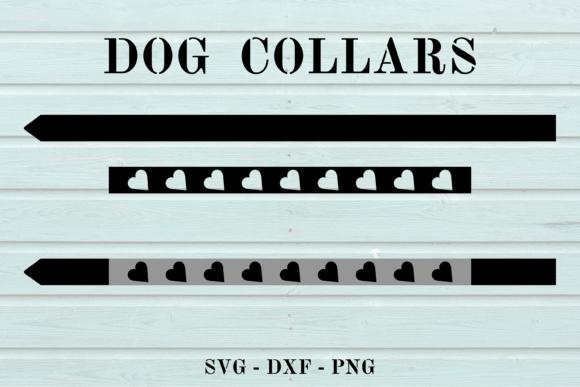
When I opened the Dog Collar Svg File for Leather Collars, my first thought wasn’t “cute” or “trendy”—it was “this was drawn for a reason.” The lines are deliberate, the proportions balanced for actual wear on a dog’s neck, and the negative space feels intentional—not empty, but breathing. There’s no excessive filigree, no fragile tendrils that would vanish under satin stitch, and no tiny disconnected elements that beg to snag thread or fray in stitching. As a designer who’s spent years translating vector art into stable, sewable embroidery files, I appreciated how this design leans into its function: it’s not just *about* a collar—it’s built *for* one. That clarity makes it instantly adaptable—not just for leather cutting (as the description notes), but as a strong foundation for machine embroidery on collars, tags, patches, and even boutique pet accessories.
A Real-World Test: Stitching It Onto a Linen-Cotton Apron for a Local Dog Rescue Pop-Up
Last month, I used the Dog Collar Svg File for Leather Collars as the centerpiece for a limited-run embroidered apron series—part fundraiser, part brand touchpoint for a local dog rescue. We stitched it onto midweight linen-cotton blend aprons using a medium-density fill stitch with subtle satin-stitched borders. The result? Crisp, legible, and warm—not overly technical, but unmistakably handmade. Customers didn’t just see a dog collar; they recognized care, intention, and quiet craftsmanship. That’s the difference between a decorative motif and a meaningful embroidery file: this one lands because it reads clearly at 3.5 inches wide, holds up across fabric texture shifts, and doesn’t compete with the garment—it complements it.
Where It Shines (and Where It Asks for Thought)
The Dog Collar Svg File for Leather Collars works exceptionally well for:
- Embroidered patches—its closed-loop shape and moderate detail density hold clean edges without over-stuffing the backing;
- Tote bag designs—scaled to 4–5 inches, it anchors the side panel without overwhelming natural fiber texture;
- Baby embroidery on onesies or burp cloths—when simplified to running stitch outlines or light fill, it reads sweet and gentle, not busy;
- Holiday embroidery on tea towels or kitchen linens—paired with seasonal thread colors (deep forest green, warm terracotta), it feels timeless, not dated;
- Commercial embroidery for small shops or Etsy sellers launching pet-themed merchandise—its clean silhouette scales reliably across product types.
But—and this is where experience matters—it needs thoughtful placement on:
- Stretchy fabrics like knits or ribbed cotton: stabilize aggressively, and consider simplifying inner details to avoid puckering;
- Curved surfaces like caps or curved tote handles: test hoop alignment first—the collar’s symmetry helps, but tight curves compress stitch spacing;
- Dark or heavily textured fabrics: run a black-and-white mockup to confirm contrast; some fine interior lines may soften visually without higher thread contrast;
- Frequent-wash items like baby clothes or kitchen towels: verify stitch density isn’t so low it’ll thin out after 10+ washes—this design errs toward durability, but always test.
What It Adds to Your Handmade Product—and What It Asks of You
This isn’t a flashy, attention-grabbing graphic. It’s a grounded, repeatable design asset—the kind that builds trust over time. When your Etsy customers receive a personalized dog collar tag with this embroidery, they don’t just see stitching; they feel consistency, care, and professionalism. That translates directly to repeat orders and word-of-mouth referrals. For craft business owners, it supports brand cohesion—whether you’re selling leather collars, embroidered pet bandanas, or matching human-dog tote sets. And for designers building digital embroidery libraries, it’s a smart addition: versatile enough for applique design or standalone fill work, simple enough for beginners, yet refined enough for advanced stitchers.
Practical Designer Notes Before You Stitch
Before committing to your first production run with the Dog Collar Svg File for Leather Collars, do these five things:
- Test on scrap fabric—not just the same material, but the same layering (e.g., if stitching over fleece backing, replicate that);
- Check thread color contrast against both light and dark backgrounds—some subtle gradients in the vector may not translate to stitch unless thread choice reinforces them;
- Review stitch density in your embroidery software—this is a graphics-based file, so ensure your digitizer hasn’t overfilled open areas or under-stitched structural lines;
- Confirm licensing for commercial use—if you plan to sell finished embroidered products or resell the digitized version, verify permissions upfront;
- Use appropriate stabilizer: medium-weight cutaway for structured items like collars or patches; tear-away for lightweight apparel like sweatshirts or baby onesies.
Also—don’t skip the printable mockup step. Print the design at true size on paper, pin it to your fabric, and walk away for five minutes. Come back and ask: Does it still feel balanced? Does it read at arm’s length? Does it support your product’s story—or distract from it?
Final Thought: A Design That Serves, Not Just Decorates
In the world of Crafts, especially for makers juggling Etsy listings, craft fairs, and custom client work, every design asset must earn its place. The Dog Collar Svg File for Leather Collars does that quietly and consistently—not by shouting, but by holding its shape, respecting fabric behavior, and reinforcing the value of the handmade product it lives on. Whether you’re stitching it onto a holiday gift sweatshirt or using it as a signature motif for your small shop’s branding, it performs with integrity. And in embroidery, integrity—clean lines, reliable execution, thoughtful scale—is what turns a good idea into a trusted finished product.