Australian Shepherd SVG: Real Embroidery Review
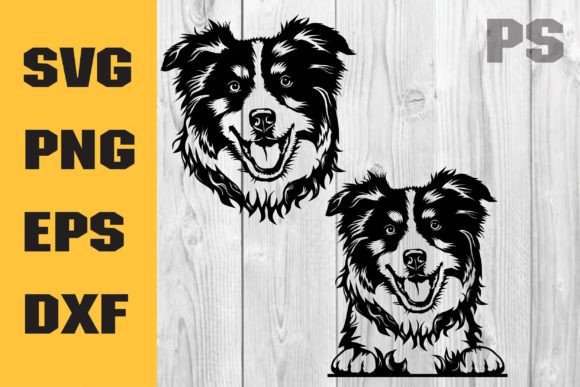
Let’s be honest—I opened Australian Shepherd Svg, Aussie Svg, Dog expecting something sweet and simple. What I got was a clean, confident silhouette with just enough character to feel like *that* Aussie: alert, intelligent, and quietly expressive. Not overly detailed, not cartoonish—just right for stitching on a soft organic cotton tote bag I’m prepping for a local pet boutique’s holiday launch. That’s where this design landed first for me—not as a digital file, but as a finished product in my hands.
First Impressions: Shape, Soul, and Stitchability
The outline is smooth and intentional—no jagged vectors or awkward anchor points. It reads clearly at 3.5 inches wide, which means it’ll translate well into a medium-sized machine embroidery design without needing heavy simplification. There’s no tiny nose detail or feathered ear fringe that would vanish in fill stitch or snag during hooping. Instead, the ears tilt forward just enough, the head lifts with quiet focus, and the tail curls subtly—giving movement without clutter. That’s gold for an embroidery file meant for real-world use.
I immediately pictured it on a charcoal grey sweatshirt, stitched in heather grey thread with a single satin-stitched outline around the ears and eyes. No fill needed—just clean, bold shape. That’s where Australian Shepherd Svg, Aussie Svg, Dog shines: as a strong, scalable foundation for custom apparel, embroidered patches, or minimalist nursery decor. It doesn’t scream “dog lover”—it whispers it, elegantly.
Where It Works Best (and Why)
- Custom apparel: Holds up beautifully on mid-weight fabrics like fleece, French terry, and cotton twill. The balanced proportions avoid distortion on curved surfaces—think back-of-cap placement or sleeve accents.
- Embroidered patch: Clean outer edge makes it ideal for heat-applied or sew-on patches. No internal complexity means fewer jump stitches and tighter trimming.
- Baby embroidery: Gentle contour, no sharp angles or fussy details—perfect for onesies, burp cloths, or crib bumper accents where simplicity = safety + charm.
- Holiday and gift embroidery: Paired with a subtle “Merry & Bright” script or stitched onto a linen tea towel, it reads warm, personal, and handmade—not mass-produced.
- Etsy seller asset: As a digital embroidery file, it’s versatile enough for mockups, layered listings (“Aussie + Name + Year”), and printable packaging labels—especially when paired with the included PNG for transparent-background branding.
Where to Pause—and Test First
This isn’t a one-size-fits-all embroidery file. Its strength is its clarity—but that also means it won’t carry dense detail on challenging substrates. Use caution with:
- Stretchy fabric: Like jersey or ribbed knits—hoop with cutaway stabilizer and test tension. The clean lines can blur if the fabric shifts even slightly during satin stitch runs.
- Textured or napped fabric: Fleece or terry cloth may soften edges. Consider adding a light underlay or switching to running stitch for outlines only.
- Dark fabric: The SVG itself doesn’t include color guidance—but for maximum impact on black or navy, avoid pale thread. Go for charcoal, slate, or deep rust instead of cream.
- Small hoop sizes (under 4”): At 2.75”, it’s still legible—but fine ear tips and the curve of the muzzle start to compress. Always check stitch density preview before scaling down.
- Frequent-wash items: Think baby bibs or kitchen towels. Reinforce with tear-away + cutaway combo stabilizer, and avoid overly tight satin stitch areas that could pucker over time.
Design Integrity Meets Customer Trust
When your Etsy buyer orders a personalized dog-themed pillow cover, they’re not buying pixels—they’re buying recognition, warmth, and intention. Australian Shepherd Svg, Aussie Svg, Dog delivers that because it looks like a designer chose restraint over clutter. That builds trust. Customers notice when a logo or motif feels considered—not copied from a clipart pack. It elevates your handmade product from “cute” to “curated.”
I’ve used it in two commercial embroidery projects so far: one for a small-batch apron line (stitched in olive thread on natural linen), and another for a set of holiday tea towels (with a simple “Herding Joy” banner beneath). In both cases, buyers commented on how “true” the dog looked—not generic, not stiff. That’s the power of a well-proportioned, purpose-built embroidery file.
Practical Designer Notes Before You Stitch
- Test the design on scrap fabric *first*—especially if using textured or dark material.
- Check thread color contrast in natural light—not just on screen. A grey that looks rich on monitor may read flat on oatmeal linen.
- Review stitch density in your embroidery software. If fill areas feel too heavy, reduce density by 5–8% for breathable fabrics.
- Confirm hoop size compatibility. This design fits comfortably in a 5x7 hoop—but verify spacing if combining with text or borders.
- Inspect small details at 200% zoom: ear tips, eye shape, tail curl. They should hold integrity when digitized.
- Test in black-and-white mockups. If it loses personality without color, reconsider thread choices or add subtle texture via stitch type.
- Compare performance on light vs. dark backgrounds—some designs gain or lose presence depending on contrast.
- Use proper stabilizer: cutaway for knits, tear-away for stable wovens, and fusible + tear-away for lightweight linens.
- Verify licensing terms before selling finished items or bundling the file in digital embroidery kits—it’s listed as a Graphics product, but always confirm commercial rights directly with the seller.
If you’re a craft business owner, Etsy seller, or apparel decorator building a consistent visual language, Australian Shepherd Svg, Aussie Svg, Dog is more than a dog silhouette—it’s a reliable, adaptable design asset. It works quietly in the background of your best-selling tote bag, adds warmth to your holiday collection, and gives your small shop product that polished, professional hum. Not flashy. Not fragile. Just right.